Friday, December 27, 2013

تساؤلات مريبة


الدعوة للتعقل والتأني هذه الأيام اصبح في خطورة السير على الحبل لغير المحترفين. فمع حالة السُعار الإعلامي التي اصابت قنوات التلفزيون الرسمية والخاصة في مصر اصبح الحديث عن أي شيء يمت للإخوان بصلة محفوفا بمخاطر جمة.

يكفي أن تتساءل كيف استطاع مذيع نشرة الأخبار في القناة الأولى للتلفزيون المصري الجزم  وبعد بضعة ساعات من انفجار عبوة ناسفة بمنطقة مدينة نصر وقبل البدء في أي تحقيقات جنائية أو تحريات حتى، كيف استطاع المذيع الفذ التأكيد على الهواء مباشرة بأن "تنظيم الإخوان الإرهابي" هو منفذ الحادث. ولا تستطيع أن تتساءل كيف استطاعت قوات الشرطة التوصل خلال يوم واحد إلى أن منفذ تفجير الدقهلية ينتمي ل "تنظيم الإخوان الإرهابي" وهي التي لم تكشف لنا حتى الآن من وراء مذبحة استاد بورسعيد ومن اصاب عيون المتظاهرين في محمد محمود ومن وراء شتى الحوادث والجرائم التي ارتكبت منذ 25 يناير 2011 وحتى هذه الحظة والتي شكلت لكل منها لجنة تحقيق لا نعرف ما عملها حتى الآن. ولا بإمكانك أن تتساءل ما نوع التشريع الإعلامي الذي يسمح للصحف والقنوات التفلزيونية بنشر صور "المتهم" الذي اصبح مدانا قبل أن تثبت إدانته في تفجير المنصورة.

إيراد مثل هذه التساؤلات كان من الممكن أن يعرضك للهجوم الإعلامي من بعض الإعلاميين المتشنجين من أنصار "معي أو ضدي" أو في أسوأ الحالات لمشادات كلامية مع بعض رواد مترو الأنفاق الذين يملكون رأيا مخالفا لك. لكن اليوم، وبعد أن قام الدكتور حسام عيسى بإلقاء بيان الحكومة عن تفجير المنصورة، والذي لم يخرج علينا بأي إجراء ناجع لمواجهة الإرهاب (الذي اصبحت مصر تتعرض له فعلا وليس ذلك الذي كانت تتخيله وسائل الإعلام وقريحة بعض المواطنين الشرفاء قبل أن يحدث) سوى بمزيد من الإجراءات القمعية والعقوبات المغلَظة في جرائم يكفي الشك فيها في النوايا لإدانة المتهمين.

اليوم وبعد هذا البيان، يكفي أن تُعبر عن تساؤلات مثل هذه ليتم الزج بك في السجن بتهمة الترويج للجماعة بالقول أو الكتابة أو أي طريقة أخرى. ولا أعرف إن كان ذلك يتضمن لغة الإشارة والغمز وتحريك الحواجب أيضا أم ماذا؟ بل قد يكلفك مثل هذا التساؤل حياتك إذا بلغ بك التهور حد التعبير عنه في مكان عام وتصادف عبور مجموعة من "المواطنين الشرفاء" للمكان.
والتساؤلات التي أنصحك بالاحتفاظ بها لنفسك تجنبا لهذه المخاطر وغيرها لا تقتصر على ما سبق. فالآن لم يعد بإمكانك أن تتساءل أيضا:

هل خلت مصر من الجماعات الإرهابية ولم يعد فيها إلا "تنظيم الإخوان الإرهابي" الذي يستدعي الملاحقة؟

كيف استطاعت الشرطة القبض على مئات العناصر المتخفية من "تنظيم الإخوان الإرهابي" وهي تحاول الهرب في الصحاري والقفار لكنها لم تنجح في ملاحقة المجهول الذي دأب على تفجير خط أنابيب الغاز بين مصر وإسرائيل كل شهر تقريبا؟

لماذا تنجح قوات حرس الحدود في القبض على عناصر "تنظيم الإخوان الإرهابي" لكنها تفشل في ضبط الأسلحة والذخائر ومنصات إطلاق الصواريخ وما شئت من الأسحلة الفتاكة التي تدخل مصر عبر حدودها مع ليبيا والسودان كل يوم؟

هل يحق قانونا التصرف في أموال شركات خاصة ومواطنين مصريين دون صدور أحكام قضائية ضدهم؟

لماذا لم يتم استخدام القانون الذي يستخدم اليوم لملاحقة عناصر الإخوان لوقف سموم القنوات الدينية المتطرفة التي كان "شيوخها" يدعون جهارا نهارا لإهدار دم شخصيات بعينها بالاسم والصورة ويحرضون المواطنين على قتل إخوتهم في الوطن لخلافات دينية أو مذهبية؟ ألا يندرج نشاط مثل هذا الإعلام التحريضي تحت بند "الإرهاب"؟ أم أن قانون الإرهاب مُفصل على مقاس الجماعة؟

هذه عينة من التساؤلات التي قد تجعلك عرضة للفتك بك على يد المواطنين الشرفاء أو السجن على أفضل تقدير. ولن يشفع لك وقتها أن تكون مثلي من أشد أعداء جماعة الإخوان المسلمين ومن رافضي فكر الإسلام السياسي كليا وجزئيا أو أن تُقسم بأغلظ الأيمان أنك لم تكن يوما من أعضاء أو مناصري أو مؤيدي أو حتى المتعاطفين مع فكر الجماعة . ولن يصدقك أحد إذا قلت مثلي أنك تدافع عن حق كل مواطن في معاملة عادلة حتى وإن كان مجرما أو أنك تتحدث ونيتك على الأقل حماية المجتمع من الانقسام السياسي الذي انزلق إليه والذي يهدد بحرب أهلية حقيقة وليست تلك التي كان يخيفنا بها نظام مبارك. ولن يشفع لك أن تقول إنك تخشى على مصير آلاف الأسر التي يعمل معيلوها في خارج مصر وقد يكون بعضهم من "المشتبه بهم" كأنصار أو كمتعاطفين مع الجماعة والذين اصبحوا مهددين بالطرد من تلك البلدان بعد بيان الدكتور حسام عيسى.

لم يعد ممكنا اليوم أن تتخذ الموقف الذي تريده فالإعلام المصري والقانون المصري وانضم إليهم أخيرا الشارع المصري لم يعد يسمح إلا بموقفين: أن تكون معي أو ضدي.

وحتى تهدأ حالة الجنون الجماعي التي اصابت الطرفين ندعو الله أن يُرنا الحق حقا ويرزقنا اتباعه ويُرنا الباطل باطلا ويرزقنا اجتنابه.


Wednesday, December 04, 2013

Egyptian President: A people’s choice

This article was written in 2012

With days to go before Egypt head to the polls in the country's first credible multi-candidate presidential elections, I went on a short visit to Cairo. Having followed Egypt’s news in various Egyptian and Arabic news channels, I expected to see a country in chaos; an economy on the robes, absence of security, wide spread crime, and recurrent strikes and demonstrations that the Supreme Council of Armed Forces repeatedly blames for the deterioration of the country’s economy. But I saw something else; I saw a nation in collective awakening.
My first encounter with real people, other than the outspoken percentage of the population we see on television, was the taxi driver who drove me home from the airport. The 45 years old Moustapha expressed distrust in the Muslim Brother Hood and their political arm the Freedom and Justice Party. “They said we want 30% of the parliament, they took 70%. They said they are against pulling trust of the Egyptian government, now they want to form the government. They said we will not run for presidency, now they have a presidential candidate”, Moustapha said.
I wondered whether the majority of Egyptians who voted for the Islamists in the last parliamentary elections think the same way. I found the answer to my question shortly afterwards, when I witnessed a heated debate at the Cairo underground between a bearded* man who appeared in his 50s and another young man who had a beard as well. The two were talking about the presidential elections and while the young man defended the Islamists, the older man expressed his disappointment in the Islamic parties referring to what he saw as a very poor performance in the parliament.
It seems this is a wide-spread attitude. According to recent Gallup polls, Egypt's Islamist parties appear to have lost popularity since parliamentary elections late last year. The popularity of the Muslim Brotherhood and its Freedom and Justice Party (FJP), for example, have fallen considerably in recent months, while the Salafists have witnessed a similar – if less dramatic – decline, according to recent opinion surveys.
A poll conducted in April showed that while 63 per cent of Egyptians in February said they supported the Muslim Brotherhood, only 42 per cent claimed to support them in April. The popularity of the group's FJP also fell considerably, from 67 to 43 percent over the same two-month period, according to the poll.
The popularity of the more conservative Salafist movement, meanwhile, fell from 37 per cent in February to 25 per cent in April. The Salafist Nour Party, in particular, fell from 40 to 30 per cent for the same period.
If the Islamic movement is changing, Egyptian society is changing too. It’s a normal scene now to find traditional Egyptian government employees, who have never been part of any political movement, head to the streets to speak out about their demands, no matter how unrealistic those demands are, and express their dissatisfaction with their managers.
How would that affect the results of the upcoming presidential elections? It’s still not clear. People have decided consciously to eliminate candidates related to the ousted Mubarak regime. They also feel they have given Islamists a chance, but they failed them. Who would they choose then? That’s the question most Egyptians are asking themselves now. But, does it really matter?   
Well, I don’t believe it does, because who ever will be chosen by those people as a president now knows as people know that he can’t fool them anymore and that Egyptians are now ready to take action to defend their rights, no matter what it takes.

*Growing a beard is considered by some Muslims as a sign of religious devotion in Islam.

Saturday, September 14, 2013

ساكن في حي السيدة

أنا هنا ليه؟!

الحمد لله هذا السؤال غير مرتبط بالهدف من وجودي على الأرض وفي هذه الحياة فقد توصلت لإجابة هذا السؤال منذ فترة طويلة واقتنعت بأسباب وجودي وأعمل يومياً من أجل تحقيقها. لكن السؤال المحير لمذا أنا هنا، في هذا المحيط، في هذه المنطقة بالذات؟ حتى سنتين مضتا لم يعجبني السكن بمنطقة السيدة زينب كثيراً، كنت أشعر دائماً بالمعاناة من الخصائص "المميزة" للمناطق الشعبية من ضوضاء وعراك وأفراح وليالي ملاح للساعات الأولى من الفجر (ويا سلام لو عندي امتحان تاني اليوم) ولا أشعر بالمميزات التي أقرأ عنها في الكتب وأراها في الأفلام القديمة من نخوة أهل هذه المناطق ومميزات الجيرة والعشرة ..إلخ. أما الحسنة الوحيدة التي استمتعت بها ولا أزال فهي القرب من كل شيئ تقريباً، فأستطيع خلال عشرين دقيقة أن أكون في وسط البلد وخلال دقائق أقل أصبح في قلب القاهرة الفاطمية وبالقرب مني محطتان لمترو الأنفاق ومحطة أتوبيس توصل لمعظم أنحاء القاهرة.

بدأت الوصول لإجابة السؤال مع بدايتي في العمل التطوعي، ففي أحد الاجتماعات التحضيرية لمشروع محو الأمية أخذنا نفكر في منطقة نبدأ بها العمل وتم الاستقرار على السيدة زينب لأنها المنطقة الشعبية الوحيدة التي يسكنها أحد أعضاء الفريق ومن المحتمل وجود عدد كبير من الأميين بها. ومن هنا بدأت رحلتي في التعرف على منطقة السيدة زينب التي اكتشفت أني أعيش على أطرافها.

اكتشفت عمق السيدة زينب، فالشوارع التي كنت أراها وأعتقد أن لا شيئ وراءها اكتشفت عوالم كبيرة خلفها. فمثلاً الشوارع الضيقة المتفرعة من شارع السد تؤدي إلى مناطق سكنية واسعة ومن شارع صغير بجوار مسجد السيدة زينب، لم أظن يوماً أنه يفضي إلي شيئ، تجد نفسك في منطقة قلعة الكبش.
  
في بداية رحلة استكشافي للسيدة زينب كنت أمشي في الشوارع بحرص وحذر وأخشى سؤال أي عابر عن الطريق حتى لا يفتضح أمري ويبدو أني لست من المنطقة ومع الوقت أدركت كيف أنني في كثير من الأحيان كنت أدور حول نفسي وأصل للأماكن التي أريدها عن طريق رأس رجاء الصالح!

أذكر يوماً حديث أحد الشباب المتطوعين عن أن ميزة منطقة السيدة زينب وعابدين والمناطق الشبيهة بهما، أن هذه المناطق بها المشكلة والحل، بها من هو يحتاج إلى المساعدة ومن هو قادر على تقديمها. بدت لي في هذه الجملة وصفة سحرية لحل كل مشكلات الحي وأصبحت أفكر في كل ما أستطيع عمله من هذا المنطلق.

اليوم وبعد مرور سنتين تقريباً على انغماسي في العمل بالمنطقة، أصبحت أقابل العديد من الناس في الشارع الذين يتوقفوا لتحيتي والسؤال عن أحوالي وتذكرت كم كان يبهرنا هذا المشهد أنا وأخواتي ونحن صغار في مدينة فايد، عندما نذهب في الإجازات حيث كان أبي يعمل، ونفكر كيف أنه شخصية شهيرة يعرفه كل سكان المدينة!

واليوم أيضاً ورغم عدم زوال كل أسباب استيائي من المنطقة ، فلا أظن أنني أريد الرحيل عن هنا..فمازال أمامي الكثير لإنجازه!


مسجد السيدة زينب في قلب الميدان

Friday, May 17, 2013

The war over “Falafel”


A big dispute broke out a few years ago between Lebanon and Israel over who invented the “Falafel”. Coming from Egypt, where it’s a popular street food, the origin of Falafel has never been questionable to me. It wasn't until I went to Paris this year that I realized how profound this “food war” is. It was in Paris that I came across France’s most famous Falafel joint; surprisingly it had a Hebrew name and a probable Israeli ownership.
You might dismiss this as a mere exaggeration, but Falafel is not just a delicious fried patty. It’s part of our identity. Culinary culture provides an insight into a broader social and economic scene. Food is probably one of the simplest ways to identify a culture. Mention pizza and everyone can think of Italy. Sushi and people are most likely drawn to the Far East. Say Feta and every one will think of Greece. Speaking about Feta; actually the Athenians have managed to prove that they invented Feta. Building on the “Feta cheese precedent”, the Lebanese Trade Union, is planning to sue Israel for claiming propriety over traditional Arab cuisine.
You are not still convinced with the importance of this food war? Guess what Barack Obama had as breakfast during his latest visit to Jerusalem? Yes, it’s Falafel! The Israeli protocol specialists chose the meal themselves and it was prepared by the American chef Magi Tolly. Was that a coincidence? I doubt.
So, what is the origin of Falafel anyway? It is widely believed that Falafel originated in Egypt where the Egyptian Copts invented it as a meat-free dish they can eat during the “big fasting” and from there it has traveled to other countries.
To me, it doesn't matter whether Falafel originated in Egypt or Lebanon. What matters to me is that it’s part of our Arabic heritage and identity. Standing by Lebanon in its fight for the “copyright” of the Falafel is not just an expression of my admiration of these delicious fried balls; it’s one of the ways of clinging to our identity. If we dismiss this war over the Falafel as a ridiculous act, we might end up with nothing to fight for and might just as well dissolve, for without our identity….. we no longer exist.

Wednesday, May 15, 2013

Real Moms Don’t Cook

This was the title of an amusing article published in the New York Times by Jessica Soffer in May 11, 2013.
We all grew up with specific home cooked dishes that helped shape our concept about what is considered a good meal or not. The scent of a specific dish can, almost instantly, take you back to specific moments in your life. But think about this: Does it really matter if this favorite childhood dish was home made or ordered? Read on the article...it may help you find out...


May 11, 2013

Real Moms Don’t Cook

MY mother is a great believer in takeout. She has her reasons.
First, she lives on the Upper West Side of Manhattan, where you can summon salmon skin rolls, palak paneer, ropa vieja or a chicken Caesar, and have them at your door — fresh and delish — in 20 minutes flat. Why compete with the professionals, she wonders, when her kitchen accommodates only apartment-size appliances and her stove, ancient and packed with copies of The New Yorker, has refused to break the 200-degree mark for years?
Too, she is a pragmatist. For her, it’s about the destination — not the journey. Five minutes devouring something scrumptious does not justify, in her opinion, hours and hours of shopping and chopping.
Perhaps most important, she’s not a big eater. She could survive on a steady diet of grapes and books. When smoothies became the fad, she jumped right on the bandwagon. Not for their health benefits, but because they freed her from the pretense of a traditional meal.
Food in a cup. Call it done. Call it dinner.
It’s not that she never cooked. She had her go-to recipes (a penne with grilled salmon and capers number; pea soup; eggs and more eggs), but even had she not, I wouldn’t have minded. Growing up, I pined for nothing in the mother department. My mother is the stuff that dreams are made of, minus the meatloaf and marble cake. The fact that she preferred talking to me while paging through the Times’ Book Review than while stirring a caldron of Bolognese did not mean that she loved me less, was any less motherly.
And yet it seems that everywhere — in commercials, films, books — I find the conflation of parental love and cooking. Somehow, we’ve come to believe that mothering can be smeared onto a sandwich, nurturing tucked between the wings of a garlicky roasted chicken.
My first novel is about food: an old woman and a young girl find solace in the kitchen and in each other. I hope that love — for cooking and between people — is evident in the book. But it’s more about food’s power to make meaningful connections at random. It’s not about my mother.
And yet, in many of the interviews I’ve done, it has been suggested that my mother must have been an incredible cook. I should be honest, and say, no, not really. But my impulse is to defend her — as if telling the truth would be revealing a dark family secret, my mother’s shortcomings, and worse.
And so, I do what I have to do, singing and dancing my mother back into the interviewer’s good graces: she worked two jobs, she took care of my father, who was sick for many years. As if I have to justify it. As if she didn’t feed me. As if she didn’t love me. As if she wasn’t quite simply the best, which she was. Is.
My love of food comes from where it comes from. My father’s sister is an incredible cook and her long-simmering things, Iraqi stews and pastries laced with cardamom and cinnamon and cloves, are some of my fondest food memories, and what I try to replicate these days.
My father used to spend summer days at our house on eastern Long Island making vats of lemony hummus and towers of Iraqi flatbread, asking my mother to wipe his brow as he twirled a shriveling eggplant over a flame for smoky baba ghanouj. That’s a lovely food memory, too.
But cooking accounts for only one part. Whenever I visit my mother for dinner there is all the love a person can handle in the tidy form of endless sashimi, shumai and Stella Artois. Love is evident in takeout, too.
When Hurricane Sandy hit last fall, my boyfriend and I headed north from our apartment in Lower Manhattan to my mother’s place, on higher ground, where there was electricity, running water and cellphone service. After the storm, more than one person said how nice that must have been: a home-cooked meal.
But no. Yes, it was nice. But the nice part was her: being with her, ordering Indian for dinner, watching the news and eating apples on the couch, reading as she tucked my feet into a blanket.
The nice part was being in my mother’s hands, whether those hands held a spatula or not — then, now or ever.
Jessica Soffer is the author of the novel “Tomorrow There Will Be Apricots.”


Monday, February 04, 2013

My rating: 3 of 5 stars


اشتريت الكتاب في محاولة للاقتراب من الثورة السورية حيث أن ما ينقله التلفاز قليل للغاية ومشوش، كذلك كتابات الصحف التي تنقل يومياً أعداد القتلى والمصابين دون الغوص في عمق القضية. على المستوى الأدبي فالكتابة جميلة، تشعرك أحياناً أنك تقرأ قصة أو رواية لا مجموعة مقالات. أما على المستوى السياسي فقد تأكدت من خلال الكتاب من خصوصية الوضع في سوريا واختلافه عن باقية دور الربيع العربي، واقتنعت أن أفضل تغيير ممكن أو كان ممكنا يجب أن يكون بيد بشار الأسد نفسه. وصدقت أيضاً أن للأسد مؤيدين حقيقين غير مأجورين يحبونه ويدينون له بالفضل ولكن بالطبع لم يخلوا المشهد من أصحاب المصالح والمنتفعين من النظام. لم يوضح الكتاب أبعاد التدخل الخارجي في سوريا وإن كان من الواضح أن المعركة ليس بين طرفين فقط. أشارت الكتابة إلى المشاكل الطائفية التي بدأت في الظهور على السطح مما سبب لي الرعب خصوصاً وأني قد انتهيت لتوي من كتاب يتحدث عن الوضع في العراق بعد صدام. ولكن العديد من التعليقات على الكتاب اتهمت الكاتبة في هذا الشأن بإسقاط واقعها اللبناني على سوريا، وهو ما لا أستطيع تأكيده أو نفيه. وأخيراً نظراً لأن الكتاب يتحدث عن الأربع الشهور الأولى من الثورة فقط فهناك حاجة إلى تجربة صحافية مماثلة لتروي لنا ما يحدث الآن.   


View all my reviews

Tuesday, December 11, 2012

بعد قراءة مشروع الدستور


مقدمة لابد منها:

أقدم من خلال هذه السطور قراءتي وتعليقاتي المتواضعة على مشروع الدستور والتي لا أدعي من خلالها خبرتي بدساتير العالم ولا خبرتي القانونية ولكنها مجرد قراءة لمواطنة مصرية مهتمة تدعي أنها على مستوى جيد من الوعي والثقافة والتعليم.

تعليق عام:

هناك مشكلة عامة في كل مواد الدستور تقريباً وهي إرجاع العديد من الأمور إلى قوانين لم يتم وضعها بعد ولذا تجد هذه العبارة "على النحو الذي ينظمه القانون" تتكرر على نحو يثير الدهشة التي تصل إلي حد الاستفزاز في الكثير من الأحيان. من المعلوم أن دساتير البلاد تضع الخطوط العريضة التي تنظمها القوانين وتوضح كيفية تطبيقها ولكن ليس بهذا العموم كما سنرى في التعليق على بعض المواد بالتحديد وليس في دولة مثل مصر لها تاريخ طويل في تفصيل القوانين لتناسب أشخاص بعينهم وتحقق مصالح جهات وفئات معينة. و أجد هنا من يقول بأن جميع القوانين سوف تعرض على مجلس الشعب المنتخب للموافقة عليها أو رفضها، لذا يجب توضيح نقطتن: الأولى أنه في حالة الموافقة على الدستور ستستمر السلطة التشريعية في يد رئيس الجمهورية ومجلس الشورى، الذي تم انتخابه من قبل 10% فقط من الناخبين لأسباب لا مجال لذكرها هنا، حتى يتم تشكيل مجلس شعب جديد ومن الممكن خلال هذه الفترة تمرير أي قوانين. والنقطة الثانية هي أننا مازالنا نحبو في اتجاه بناء النظام الديموقراطي ولا أتوقع أن يأتي مجلس شعب أو شورى معبر حقاً عن جموع الشعب المصري قبل 10 سنوات على الأقل ولذا وجب الحذر مع الدستور.
أخيراً ستحوي تعليقاتي على الكثير من الاستفسارات الحقيقة التي أتمني أن يسعفنا الوقت لإيجاد ردود عليها ولكن لأكون واضحة فهناك الكثير من الاستفسارات الاستنكارية والساخرة.

بسم الله نبدأ:
https://docs.google.com/open?id=0B0has1p0hVvNcV9fdzdRUlY0Sk0

Monday, November 05, 2012

Losing Perspective

This morning I yelled at my boys, ordering them to stop asking me questions while I'm trying to squeeze my car into endless traffic in a desperate attempt to reach school in time. I left home at 7:30 am, assuming I will arrive 15 minutes early, as I always do. However, I didn't. So, what? I drove nervously to school, yelled again at the boys to urge them to move faster towards their class, got back into the car and drove back home while suffering from a terrible headache, that's probably a result of my temper.

As I moved away of the school, I asked my self: What am I teaching my kids here? That it's OK to loose your temper in the face of minor everyday situations? I know that even though this was not my intention, this is the lesson they will learn from this morning's incidence. And it's not just today. How about when I got upset when I broke a cup, or when I couldn't find my keys, or ... the list could be endless, with minor and major everyday encounters. Again, so what? What happened, happened. Why can't I just take a deep breath and go on? Why do I have to stop every time something like this happens and spoil the whole day for it? I really don't know. It seems I loose perspective during these situations. I forget what matters and what doesn't. I "zoom" on the incident somehow. In doing so, I see it enlarged and I don't see the whole picture anymore.

Anyone has suggestions on how to regain my perspective?

Tuesday, October 30, 2012

غروب ليلة قمرية

مركب صيد في رحلة العودة
لعلهم عادوا بصيد وفير...

Sunday, September 23, 2012

على هامش الرحلةعلى هامش الرحلة by محمد أبو الغار


I bought this book last year from the CIBF but didn't read it. Then these days I felt that life is getting tougher and thought it would be helpful to read the biography of someone who has been there!

Still at the beginning but it seems nice :)


View all my reviews

Thursday, September 20, 2012

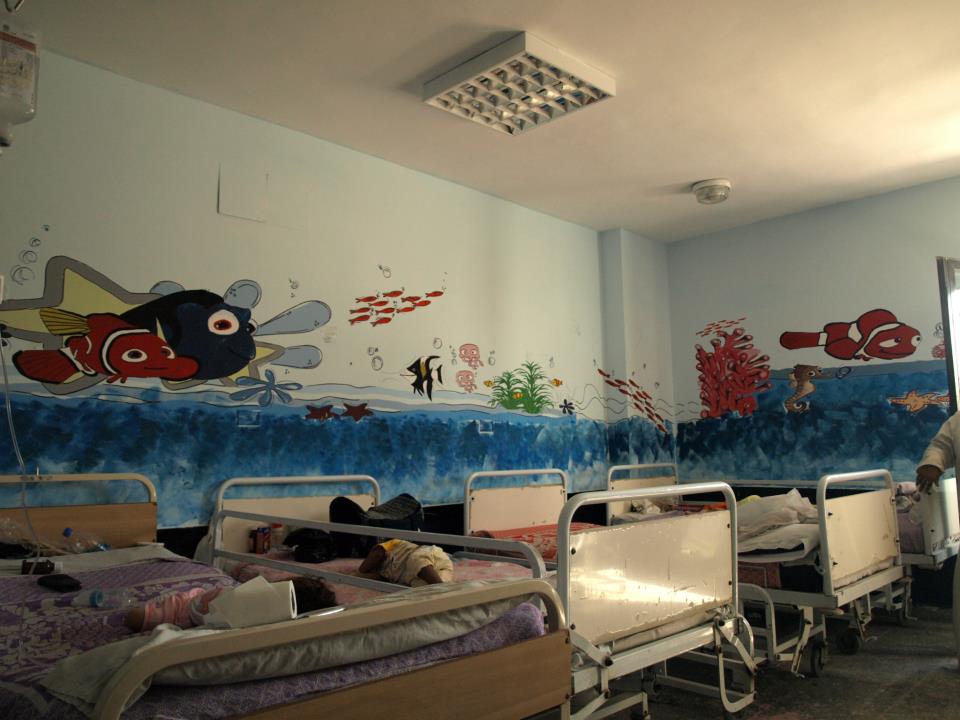
أيام فى العمل التطوعى: تلوين الواقع الكئيب


قضيت عدد لا بأس به من السنوات أحاول الانخراط في العمل التطوعي دون جدوى. قمت خلال هذه السنوات ببعض الأعمال الخيرية المعتمدة على جهود المتطوعين: زيارة مستشفيات، تعبئة شنط رمضان...إلخ ولكنها كانت مهام قصيرة وعلى فترات متباعدة، ثم فتح لي المجال من أوسع الأبواب وأصبحت أجد صعوبة في اختيار ما أريد القيام به نظراً للوقت المتاح لدى. وبدأت ألاحظ شيئ غريب وهو تواجد نفس المتطوعين في مختلف الأماكن والمبادرات، نفس الوجوه تقابلها لتشعرك بالألفة مهما كنت غريباً عن المكان وتؤكد على أن "الدنيا لسه بخير".

المهم، كان العمل هذه المرة من خلال مبادرة رائعة قام بها طلبة طب إحدى جامعات القاهرة لدهان غرف مستشفى الأطفال التابع للجامعة وتغطية الحوائط بالرسومات لإدخال البهجة على قلوب الأطفال والتخفيف من معاناة أهاليهم. أعجبتني الفكرة جداً ولم أتردد في المشاركة ببعض الوقت.

وكانت الصدمة بوضع المستشفى، فبالرغم من خبرتي المعقولة بمستوى المستشفيات في مصر، وخاصة الحكومي منها، نظراً لعملي فترة من الوقت بوزارة الصحة فمازالت مهازل المستشفيات تؤثر في دائماً. مبدئياً تفاجئ عند دخولك المستشفى بعدد كبير جداً من الأطفال مع ذويهم يملئون طرقات المستشفى دون انتظام ويصنعون ضوضاء عالية في تناقض صريح مع اللافتة التي تقول "حافظوا على الهدوء من أجل راحة المرضى". والعجيب أنه لا يبدوا أن هناك من يوجههم إلى أين يذهبون أو ينتظرون أو حتى ينصرفون! وأنا شخصياً عند دخولي من باب المستشفى لم يسألني أحد عن هويتي أو إلى أين أذهب. ويبدوا أن أحداً لم يسأل الكلب الرابض على باب المستشفى الداخلي كذلك!

بالطبع لم تكن الصدمة في الفوضى البادية في المستشفى ولا حتى في الكلب الموجود على الباب، فقد قابلت من قبل قطة تجوب طرقات المستشفى الحاصل على المركز الأول في مكافحة العدوى لسنة من السنوات على مستوى الوزارة، لذا دعوني ألخص ما اذهلني وأصابني بالاكتئاب والإحباط في المشاهد التالية:

المشهد الأول: كنا نعمل في القسم الداخلي للمرضى (Inpatient Department) وهو المكان الذي يقضى فيه المرضى بعض الوقت بعد العمليات للمتابعة والتعافي مادامت أوضعهم ليست حرجة، وإلا يجب عليهم التواجد بغرف العناية المركزة. المهم في الدور الخامس حيث كنا نعمل يجد المرء أحياناً صعوبة في التمييز بين أمهات الأطفال والعاملات في المستشفى، فجميعهن يرتدين جلابيب صفراء، غالباً كانت في يوم من الأيام بيضاء، ويتحركون بحرية في الدور ناقلين الأسرة ليفسحوا لنا المجال لنعمل وكذلك الأجهزة الطبية. وفجأتني إحدى الأمهات قبل أن نبدأ في العمل بالسؤال عن الفترة التي يجب أن تمر لتزول رائحة الدهان ويمكن استخدام الغرفة مرة أخرى لأنها لا تريد البقاء بابنها، الخارج لتوه من العناية المركزة، في عنبر مشترك مع الأطفال الآخرين.

من وجهة نظري المتواضعة فهذا من أكثر الأمثلة وضوحاً على الإهمال والعشوائية في مستشفياتنا الحكومية، فبالرغم من أن هذا "التساهل" ربما يكون قد أتاح لنا حرية أكثر في القيام بما أردنا إلا أنه لم يلتفت إلى وضع واحتياجات المرضى (هذا إن كان أحد يعبأ بهم في الأساس).

المشهد الثاني: لكى تتم عملية الدهان بالجودة المطلوبة وجب علينا أولاً كشط الحوائط و"سنفرتها" للتخلص من أي نتوءات أو بروز. كانت العملية مرهقة ولكن يمكن اعتيادها مع الوقت، وذلك إلى أن بدأنا العمل في الجزء السفلى من الحائط حيث فوجئنا مع الكحت بخروج بعض الصراصير الصغيرة وكائنات مشابه من الحائط! ولمن لا يعرفني فأنا أكره الصراصير للغاية ودائماً ما ألجأ لصديق إذا قابلت أحدهم مصادفة ولكنى هذه المرة لم أجد صديق بهذه الشجاعة واضطررت للتعامل معهم بنفسى. أما من أين أتت الصراصير فهي نتيجة طبيعية لوجود نشع ورطوبة في الحوائط لم يهتم أحد بمعالجتها ولست في حاجة بالطبع لشرح النتيجة المحتملة لتواجد الصراصير والمريض معاً في نفس الغرفة وهذا بلاغ منى لإدارة مكافحة العدوى بوزارة الصحة والله على ما لأقول شهيد.

المشهد الثالث: في المراحل الأخيرة من العمل كنا نرسم ونلون أثناء تواجد المرضى في الغرف. أنا شخصياً لم أتحدث معهم كثيراً وكنت فقط أبتسم كلما التقت أعيننا. استمعت إلى الأمهات يحكين عن الرعاية التي يتلقها أبناءهن هنا وكيف تحسنت صحتهم في حين لم يعرف أحد من الأطباء في المدن والقرى التي أتوا منها ما علتهم. ضحكت في مرارة داخلي وتسألت عما ستشعر به هذه الأمهات لو ذهبوا إلى مستشفى "حقيقي" وتلقى أبناءهم ما يستحقونه من رعاية.

 وتوالت المفاجآت: أولا،ً دخلت الممرضة لتسأل عن جهاز الاستنشاق وتوبخ الأم لأنها احتفظت بالجهاز بجانبها ولم تعيده ليستخدمه باقي المرضى وسبق ذلك بقليل دخول إحدى الأمهات لتسأل بنفسها عن نفس الجهاز!  

بعد ذلك فوجئت بإحدى الأمهات تقوم لتضع قناع الأكسجين لأبنها من تلقاء نفسها وبدا لي أن هناك مشكلة حيث كانت كمية بخار الماء المتصاعدة غير طبيعية. وتطوعت إحدى الطالبات بالحديث إلى الأم وتحذيرها بأن كثير من الأكسجين قد يضر بالطفل، فأجبتها الأم ببساطة أن الطبيب طلب منها أن تفعل ذلك من وقت لآخر!

أعتقد أنني سأتوقف هنا وأوفر عليكم المزيد من المشاهد التي قد تكونوا قابلتموها من قبل أو لا تقلقوا فسوف تفعلون مادام كل مسئول فى بلادنا مصاب بقصر النظر... 
      
ودعوني أريكم، وبعد كل هذه الصور الكئيبة، من أين يأتي الأمل...
 
في البداية الوضع كان كده
بعدين تحسن شوية وبقى كده
ودي الخطوة الثالثة
وبعدها كده

وأخيراً كده
والنتيجة كده :)


Friday, August 31, 2012

Watch out for pickpockets: The other side of the story


I've been to Paris once before in an impossible trip for less than 12 hours. The group I accompanied back then had some sort of a plan to rush and catch a glimpse of all Must-Be-Seen in Paris. Of course we had different views, to me the two main things were to see "Tour Eiffel" and have coffee in one of the streets of the "Quartier Latin". I did see the tower back then but I don't remember getting any near the Latin Quarter, though my companions believed we did! During this trip I had more time and an experienced guide so I'm sure I made it to the Quarter. I enjoyed walking in the narrow streets and watching the small shops and tried to map all the sights to the description I've always read in literature.

In a nice coffee shop near the borders of the Quarter and while waiting for our coffee and ice-cream to be prepared, a woman standing in the line to order suddenly shouted and turned to yell at the man standing right behind her saying "thief". She said a lot of words which I didn't understand as she was talking in French, and even hit the man and kicked him out of the place. I admired her courage and people in the line cheered her.

This is the nice part of the story, the sad part is that my little nephew noticed that the man was about to cry while he walked out of the shop. I'd exclude the possibility that he was not trying to steal and she misunderstood him and that is why he ended up with this grieved. So the more probable possibility is that he has to steel; to eat, to feed a family etc. I'm not trying to find excuses for him because my moral beliefs are crystal about this but the sad truth is that there isn't enough justice in the world. I remember a song, by the beetles I believe, which say "… and sympathy is all what we need my friend… and sympathy is all what we need… because there is not enough love to go around…" and I feel it truly now. I also remember Omar Ibn AlKhatab, who simply symbolizes justice in my view, when he didn't impose the supposed punishment for stealing because there was a famine and some people had to steal to eat and feed their families. I know that back then he did his best so that each individual in the community gets a fair share in the revenues of the country but when that was not enough he made this exception.

In Egypt, we live in a society with very large gaps in income among its individuals; I wish to witness the day when social justice prevails in our country, a day when everyone has enough to live in freedom and dignity.


30 June 2012